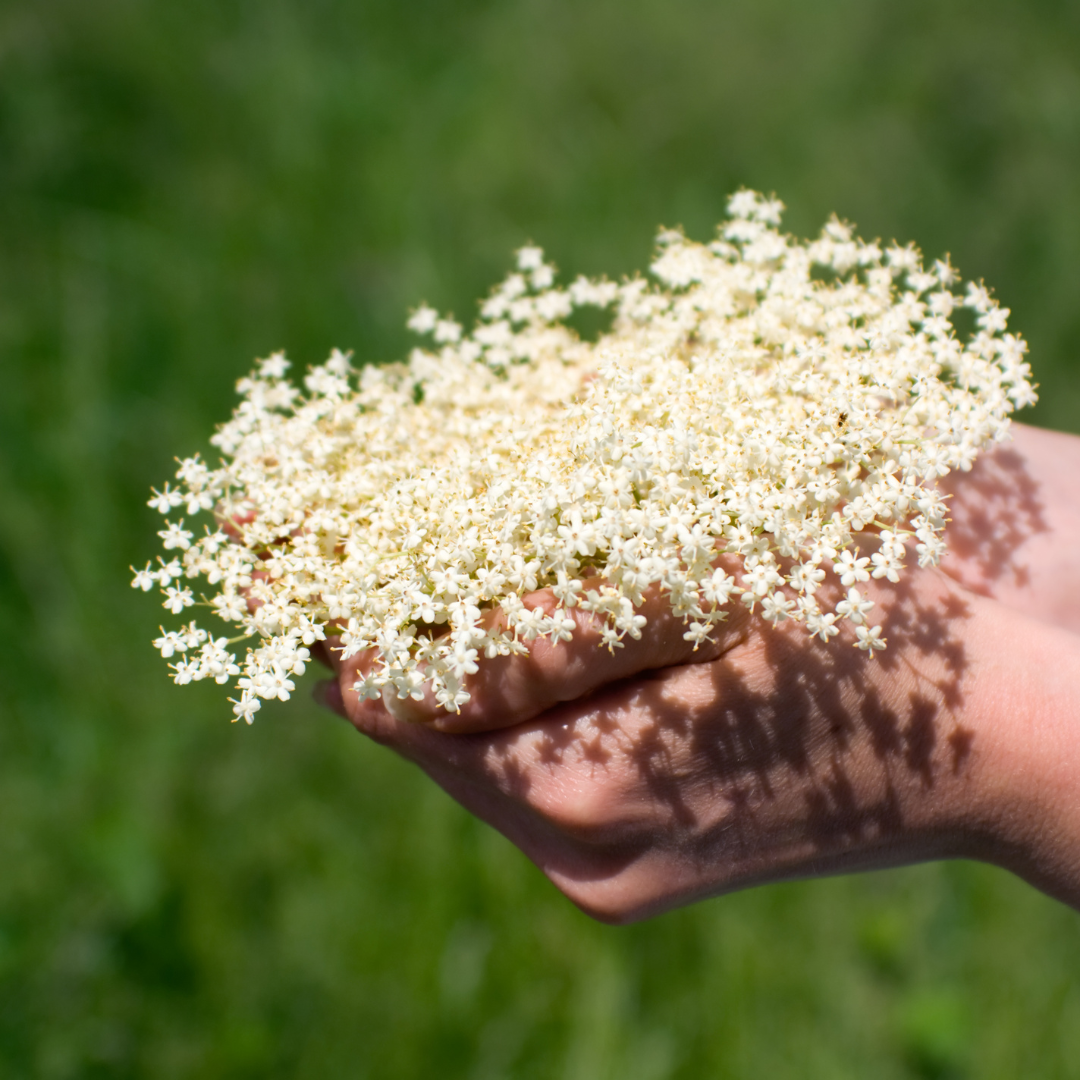

”As we start to identify Elderflower initially from afar I start by looking what looks like balanced cream floral plates nestled amongst green foliage there are many other flowers out at this time that could be mistaken so its important to understand the key characteristics.
GeorgeFlavour Fred
We also need go be careful with the Elder itself as this deciduous shrub or small tree aside from the flower all parts of this plant are considered poisonous, even the berries should be cooked or prepared in ways to remove the cyanide inducing glycosides in the seeds. Taking a closer look it can be seen to grow to up to 6 meters and can grow as wide as it is tall. The bark is a light brown-grey and found with yellowing revealed in-between cracks. The leaves are light green, spear-shaped and have serrated edges they can be 5-12cm long and 3-5cm wide. They grow in opposing pairs of 5-7 leaves with one leaf at the end of the stem resembling a feather known as a “pinnate”. The flowers are 5-6mm in and are held in flat groupings that total 10-25cm in diameter. Later in the year elderberry once formed has a similar structure but due to its weight starts to droop.There’s a lot that can be done with that including syrups, wines, vinegars, an old fermented British/French (unclear history) sauce to accompany game called “pontak” is also worth waiting to make – all of which go through a process that cooks the berry.
This plant has been called the “medicine chest of country people”. There are a huge number of uses to go through but mainly the flowers are used by herbalists to aid inflammation within the respiratory system including asthma, coughs and hay fever. The berries are known as a super immune booster many make a syrup taken throughout the winter months (you can buy a commercial version called “Sambucol” in Holland and Barrett or Waitrose See my article on elderflower on the website for more information here
Elderflower and why I love elder