
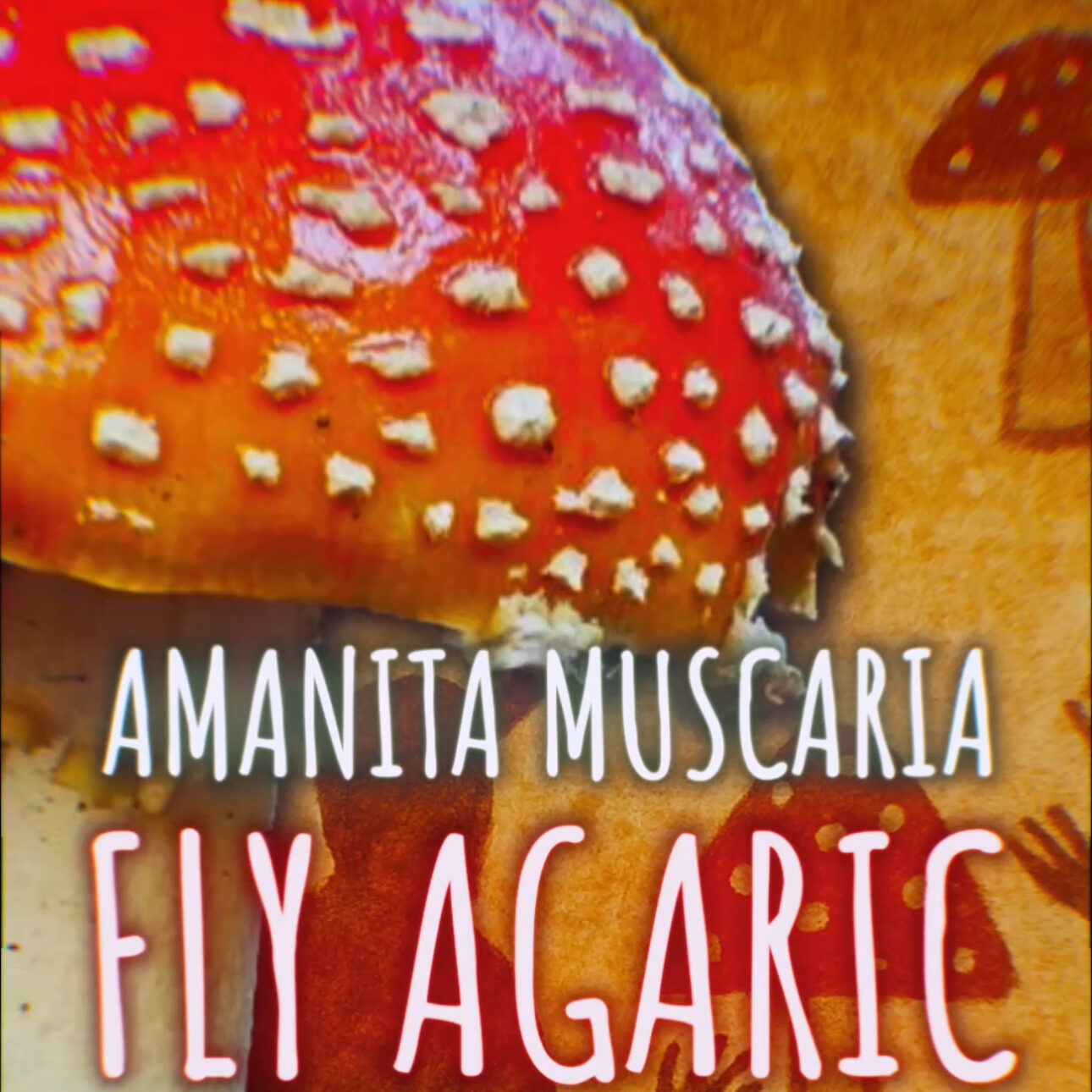

”The Fly agaric mushroom is a striking resemblance to Christmas, with many folklore theories suggesting it’s the origin of several modern holiday traditions, like a gift from nature at this time of year. These connections stem from ancient Siberian shamanic practices that coincided with the winter solstice. Many of these associations are uncanny.
GeorgeFlavour Fred
This mushroom has been used for thousands of years in rituals to achieve a higher state of consciousness, reach other realms, and find answers from nature. Shamans from Siberia and the Sámi people from the Arctic Circle lived entwined with herds of wild reindeer. Preparing the mushroom involved drying it and hanging it from trees, or drying it over a fire in socks. Reindeer were also used to filter the toxic compounds from the mushroom by drinking its urine, which helped to reduce the toxic ibotenic acid and derive the muscimol.
While some historians argue these links are tenuous or exaggerated to fit a narrative, the parallels between ancient traditions and modern Christmas imagery are compelling and widely discussed.
More information can be found in the comments.
The Amanita family is not to be trifled with. Many people advise against eating mushrooms with white gills that grow from an egg in the ground, known as the universal veil. Once the mushroom erupts, it leaves a volva, which resembles a cup around the base. This is a good general guide, considering the many poisonous and deadly compounds found in this family, particularly the death cap, destroying angel, and panther cap. The Fly agaric mushroom has a red cap with white spots, which are the remnants of the universal veil. The stipe (stem) will have a skirt on it, which is the remains of the partial veil that would have protected the gills until they were ready to spore.