
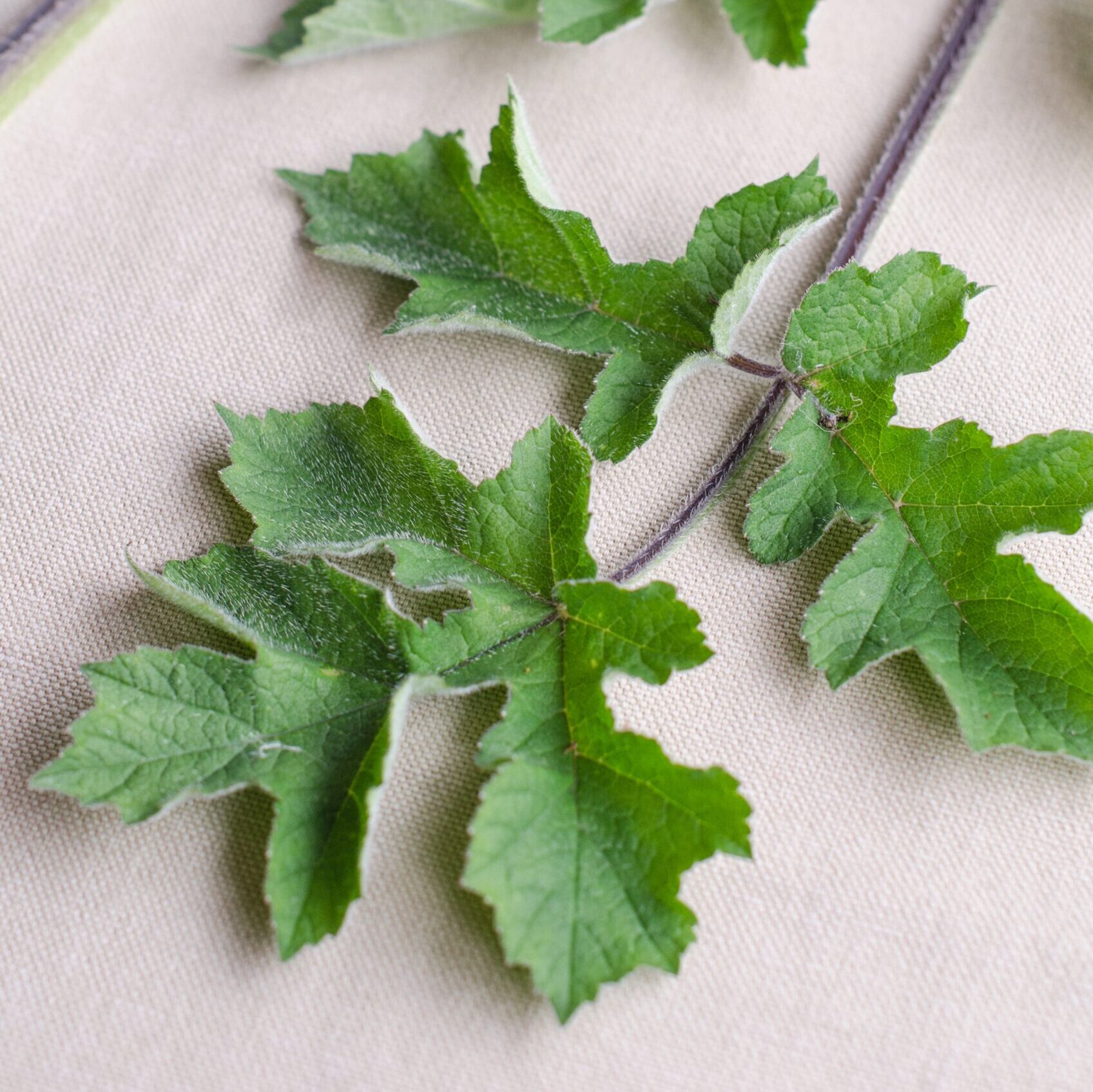

”One of my favourite plants, so much so that this humble member of the carrot family. Common Hogweed (AKA Cow Parsnip) gets its name from farming history because it was frequently collected and used as fodder for cattle. Also, when in flower, it smells like the back of a pig, which attracts flies and helps pollination.
GeorgeFlavour Fred
Young shoots used as a vegetable, the young flower buds cooked like broccoli, the seeds dried and used as a spice like cardamom, the whole plant lacto-fermented. Many sources suggest it was used as an ingredient of borscht, when fermenting the cut stems the liquid goes purple. I enjoyed a version when I was in Lithuania; I enjoyed an entire dish made from the root as a soup, fermented leaves and stalks (sauerkraut style) and seasoned soured cream with the seeds (cardamom and orangey/orange tic tac flavour) on top. It was delicious!

Looking forward to grabbing the unfurled flower heads to pickle for dishes later in the year. Medicinally used for laryngitis and bronchitis. Contains small amounts of phototoxic furanocoumarins which make skin sensitive to UV and can cause blistering on sunny days. Avoid mistaking for Giant Hogweed which contains very dangerous levels of phototoxic furanocoumarins which breaks down the melanin in your skin and the UV rays can burn very very badly. At present we are starting to see some hybridisation of Giant Hogweed & Common Hogweed. In order to avoid this risk avoid where they both exist. I’ll be posting a reel on this next research link below.