
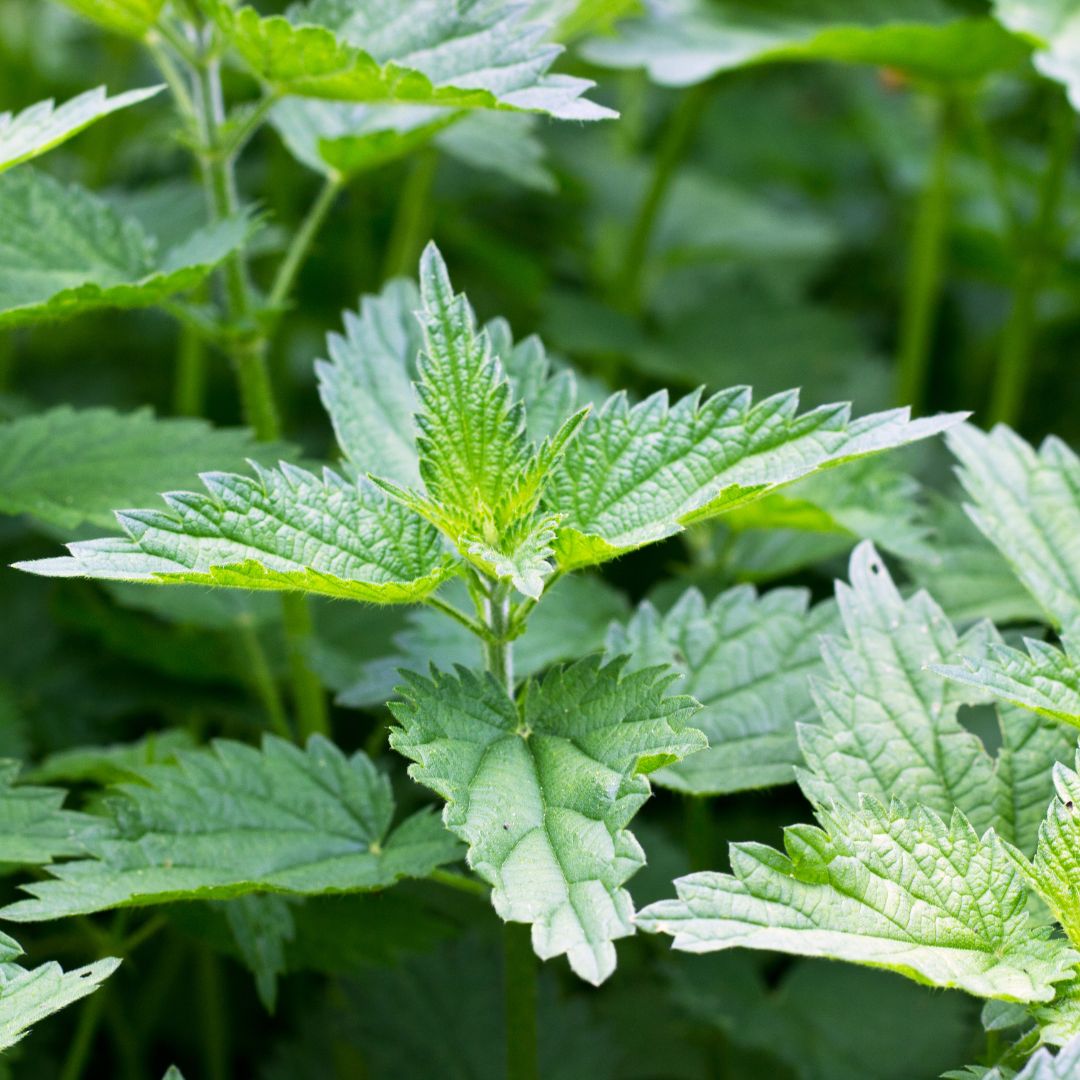

”Vitamins: - A, B1, B2, C, E, K
GeorgeFlavour Fred
Minerals: - Iron, Calcium, Magnesium, Zinc, Sulphur, Aluminium, Bromine, Chromium, Cobalt, Copper, Fluorine, Manganese, Nickel, Silicon.
Can be cooked like spinach, made into soups, dried and used as a herb with its earthy flavour, made into tea, beer, wine, and many more. Medicinally used for:- Arthritis and Rheumatism, Gout, Bronchitis, Hay Fever, Allergies, Asthma, Colds, just to name a few
Other uses: – String, fabric (1ST World War German Army Uniforms), Dye, Plant Feed. Nettles are incredibly abundant yet under-utilised. I pick, blanch, and freeze them into ice cubes—keeping a supply of spring greens year-round without buying frozen spinach. The sting comes from hollow hairs with silica-reinforced tips, which inject histamine, acetylcholine, Formica acid and serotonin. This acts as a physical and chemical defence against herbivores, protecting a fast-growing, nutrient-rich plant. A patch of stinging nettles emerging is a strong indicator of nutrient-rich, disturbed soil. Dense patches are often linked to manure or livestock activity, compost or waste dumping, former human habitation, and high organic matter breakdown. Nettles are nitrophilous (nitrogen-loving) and respond well to fertile soils. While they prefer rich ground, they can also thrive in moderately fertile habitats such as woodland edges and hedgerows, often associated with historical nutrient inputs. Beneath the surface, nettles spread via a network of creeping yellow rhizomes. These allow them to colonise laterally, bind topsoil, and help reduce surface erosion in disturbed areas. Nettles can also absorb heavy metals and excess minerals, so as with any wild plant, careful picking location is important.