
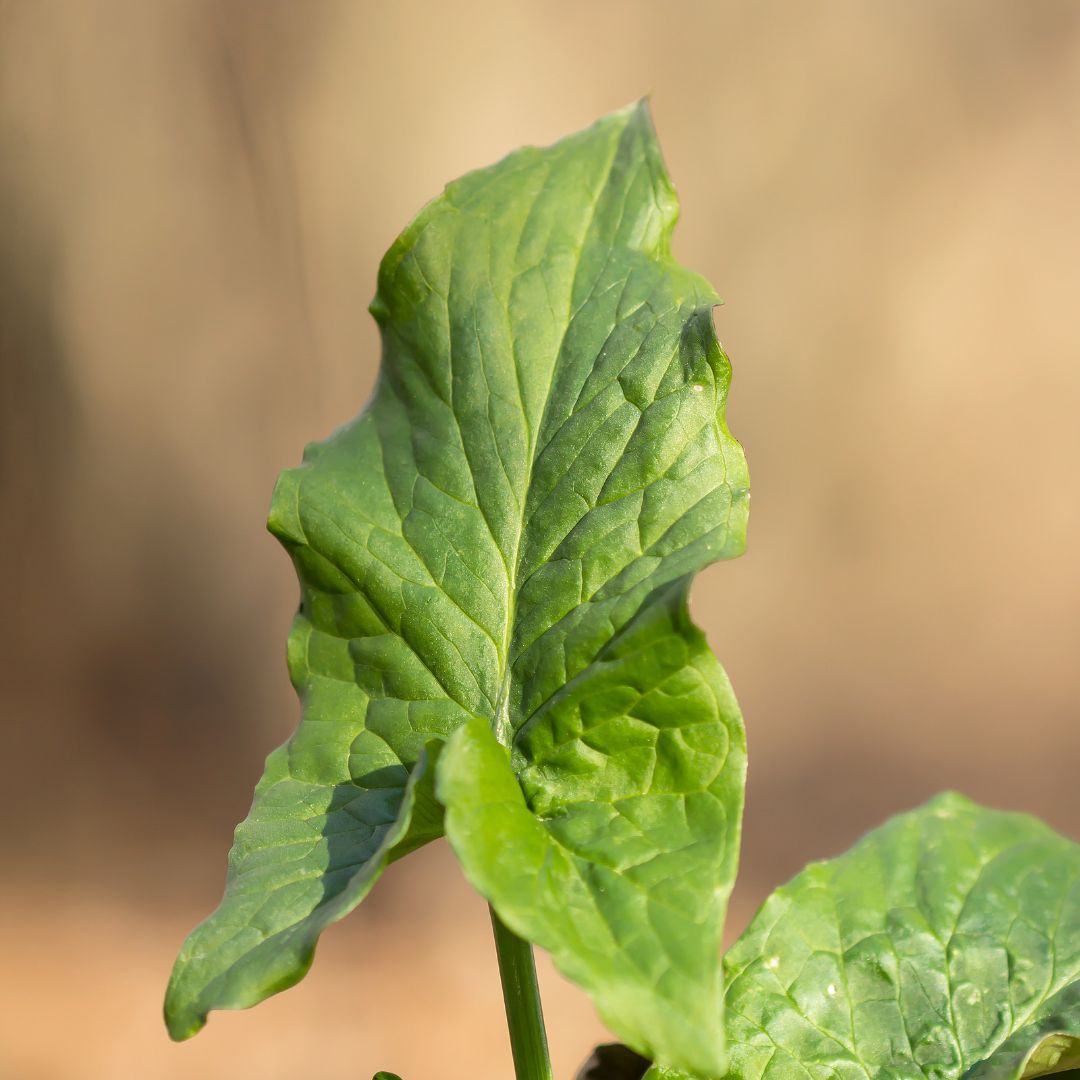

”As wild garlic season approaches, it’s crucial to be cautious, as this plant poses a constant danger when picking it. It often lurks in plain sight during spring, hidden amongst the most popular wild edible. While it resembles sorrel, their environments are usually different, though I’ve occasionally found them together in fields and hedgerow fringes. Of course, it doesn’t smell like garlic or onion, and I’m sure there’ll be comments, but careless or irresponsible collecting is the real culprit behind this most common poisoning.
GeorgeFlavour Fred
Calcium oxalate crystals, that are needle-shaped, reside within the plant. Ingesting them pierces lips, skin, and throat, causing a burning sensation and swelling. Swelling of the throat can be a shocking experience, as it restricts airflow and leads to shortness of breath. This is an experience I wouldn’t wish on anyone. Anyone with kidney stones is advised to avoid oxalic acid, as it binds with calcium. This plant has it pre-prepared in its leaves. I jokingly mention using it as toilet paper, but if anyone has that experience, it must be horrific, I feel sorry for you and your nether regions.
While we eagerly anticipate the upcoming wild garlic season, along with three-cornered leek, few flowered leeks, and sorrel, please be extra careful. It may seem easy to gather a lot of wild garlic, but do so with caution. Only take what you need and leave the rest for nature. In my opinion, collecting large quantities is a risk, especially since wild garlic can carpet woodland floors. Other alliums discussed create similar cover, please be vigilant. While it resembles sorrel, they often inhabit different environments, but it’s still a risk. Truth is, you need to inspect every leaf and know how to distinguish the difference. This should be done again when you get home when washing. Most people who miss it are making sauces and pestos. That mistake will definitely alienate a lot of friends.