
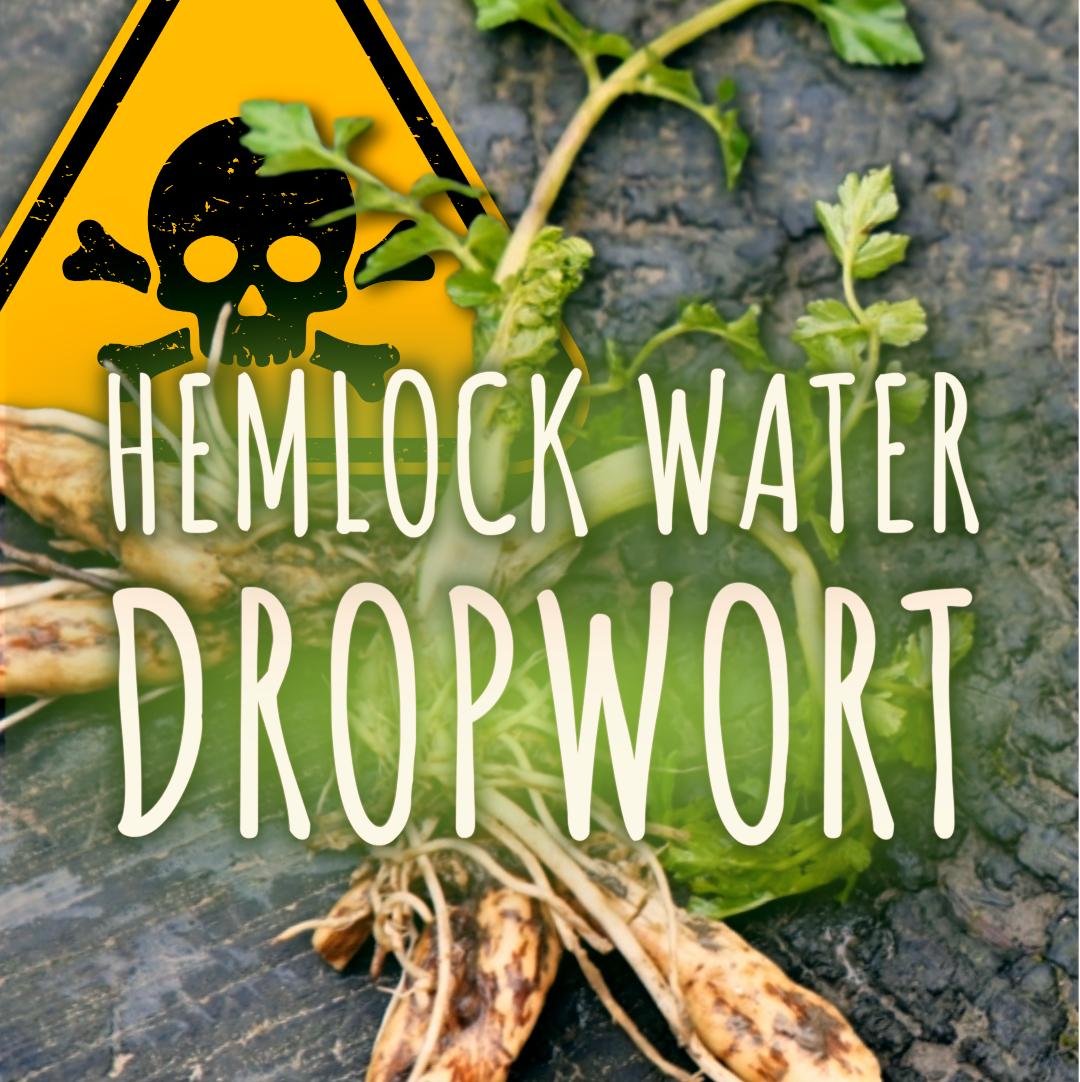

”This deadly plant has a face contorting, muscle tightening compound that whilst dying from its poison also creates a creepy grin. Known as the “Sardonic Smile/Grin” is due to its use by the Phoenicians some 3000 years ago. It’s the inspiration behind many creepy characters (Joker) and referred to in many texts including Homer in the iconic masterpiece “Odyssey”.
GeorgeFlavour Fred
The Phoenician civilisation existed across the Eastern Mediterranean & North Africa becoming advanced navigators, shipbuilders and merchants of this time. The “Sardonic Smile” seems to have first originated from western Phoenicians who settled in Sardinia from which the name has stuck.
The toxin in this plant was used for assisted euthanasia for the elderly, then later the condemned. Although it is unclear of the good/bad intentions of its use across both. The smile might also be acting as a merciless aspect of killing. One other suggestion is of showing that the lands are a “happy land” to outsiders. Not enough is really known. This a very common deadly member of the Apiaceae or Umbelliferae family found around waterways (carrot family). It could easily be confused for water celery, water parsnip, young Alexander’s and others given the similar structure of the plants in this family. I always say this is not a novice family because this plant is incredibly common, smells nice like celery and orange zest and you also have Poison Hemlock commonly found which is a risk when looking for wild carrot or cow parsley. There are others to be concerned about also including fools parsley. Hemlock Water Dropwort has shiny green leaves with four pinnate divisions, hollow grooved stems and coming into summer grow to around 6 foot. As with all umbellifers it has an umbel followed structure with white flowers whose seeds develop into rugby ball structures. It also smells nice so a huge risk compared to Poison Hemlock that doesn’t smell good to me. The roots are a parsnip structure and cluster hence the name dead man’s fingers – the most intense poison lies in the roots. The risk of these roots making it into food systems is by far the biggest risk as they are by water and a bad assumption could be made or fed to animals by human hand.
*this is not an identification video/text for this plant. ⚡️More history and warning⚡️. Do you research if out looking for wild food please. I also had permission to dig this route up from the landowner