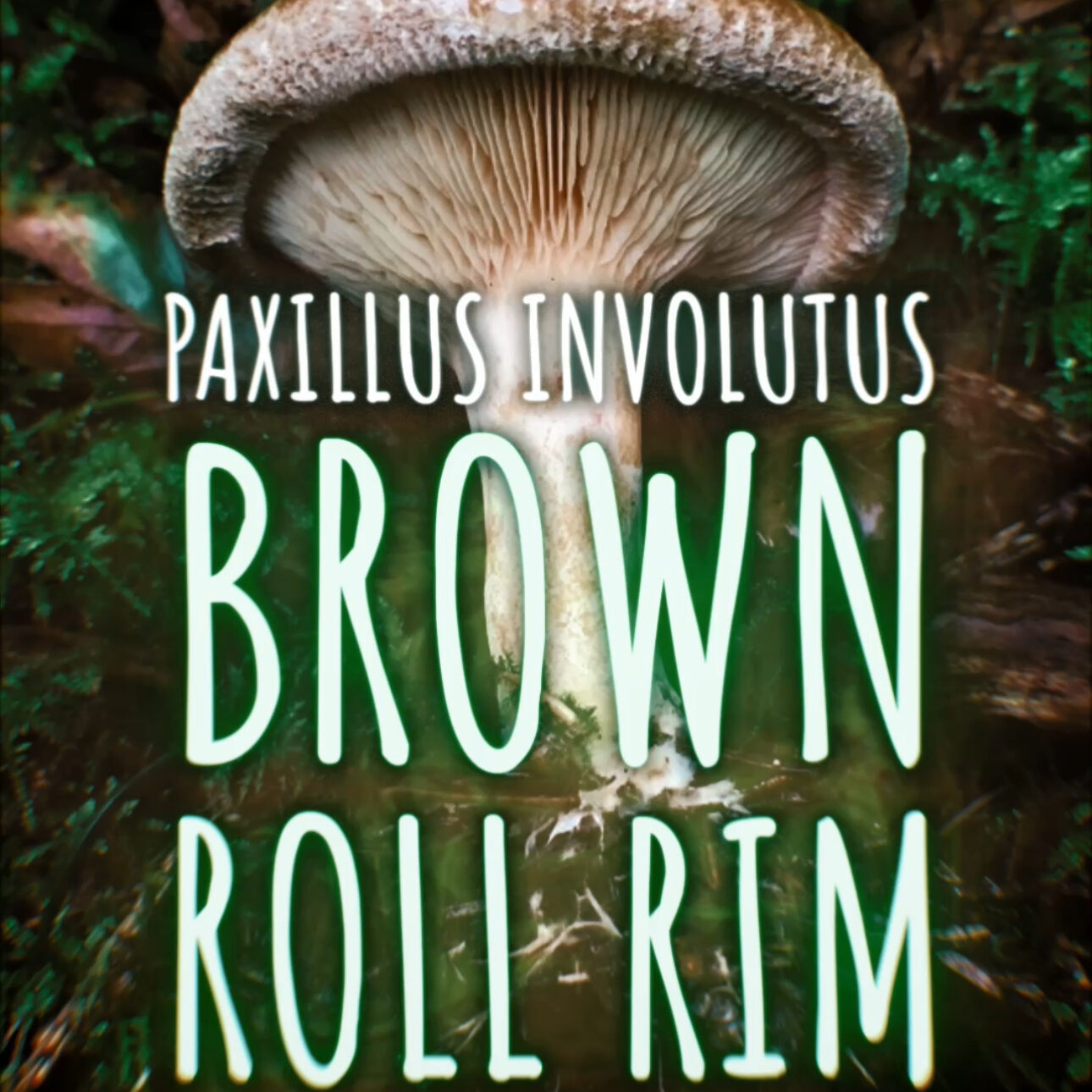

”A deadly poisonous fungus forms ectomycorrhizal relationships with trees, including birch and other broadleaf trees, and prefers acidic soil. It was very common and considered edible until it was realised that the effects are cumulative and realised after time. In 1944, the distinguished German mycologist Julius Schaeffer died after eating a succession of dishes containing brown roll-rim. He is thought to be the only professional mycologist to have died of fungus poisoning. This just goes to show that the science is ever-changing, and we need to keep up with the updates.
GeorgeFlavour Fred
Ectomycorrhizal refers to a type of symbiotic relationship between a fungus and a plant’s roots. The fungus forms a sheath or “mantle” around the outside of the root and extends into the soil, exchanging nutrients and water for sugars from the plant. This “outside” growth, without the fungal hyphae penetrating the root’s inner cells, is what gives it the “ecto-“ prefix, as seen in the RHS Gardening definition of ectomycorrhiza, meaning ‘mycorrhiza living on the outside of a plant’.
The fungus has a convex ochre cap that is depressed in the middle. The rim of the cap rolls around into the gills on the underside (inrolled). The gills are crowded and run down the stipe (stem) with a pale yellow/brown colour that bruises darker. They are decurrent. The stem is also pale brown/red/gold & rusty when bruises and at the base of the stipe.