
”Learning about Russulas is enjoyable, especially considering their variety. Using all your senses to guide your identification is a great way to get started. Understanding the environment and the relationships between Russulas and trees is a crucial first step.
GeorgeFlavour Fred
In a mixed woodland of mainly beech, oak, and birch, I spotted a Russula. I quickly snapped to the stipe (stem), which reminded me of a stick of chalk. The cap membrane peeled away easily, and had very brittle gills. While some Russulas can be poisonous even when cooked, none in the UK are deadly or organ-damaging. However, there are some recorded in China and Japan, such as Russula subnigricans, which is known to be extremely dangerous.
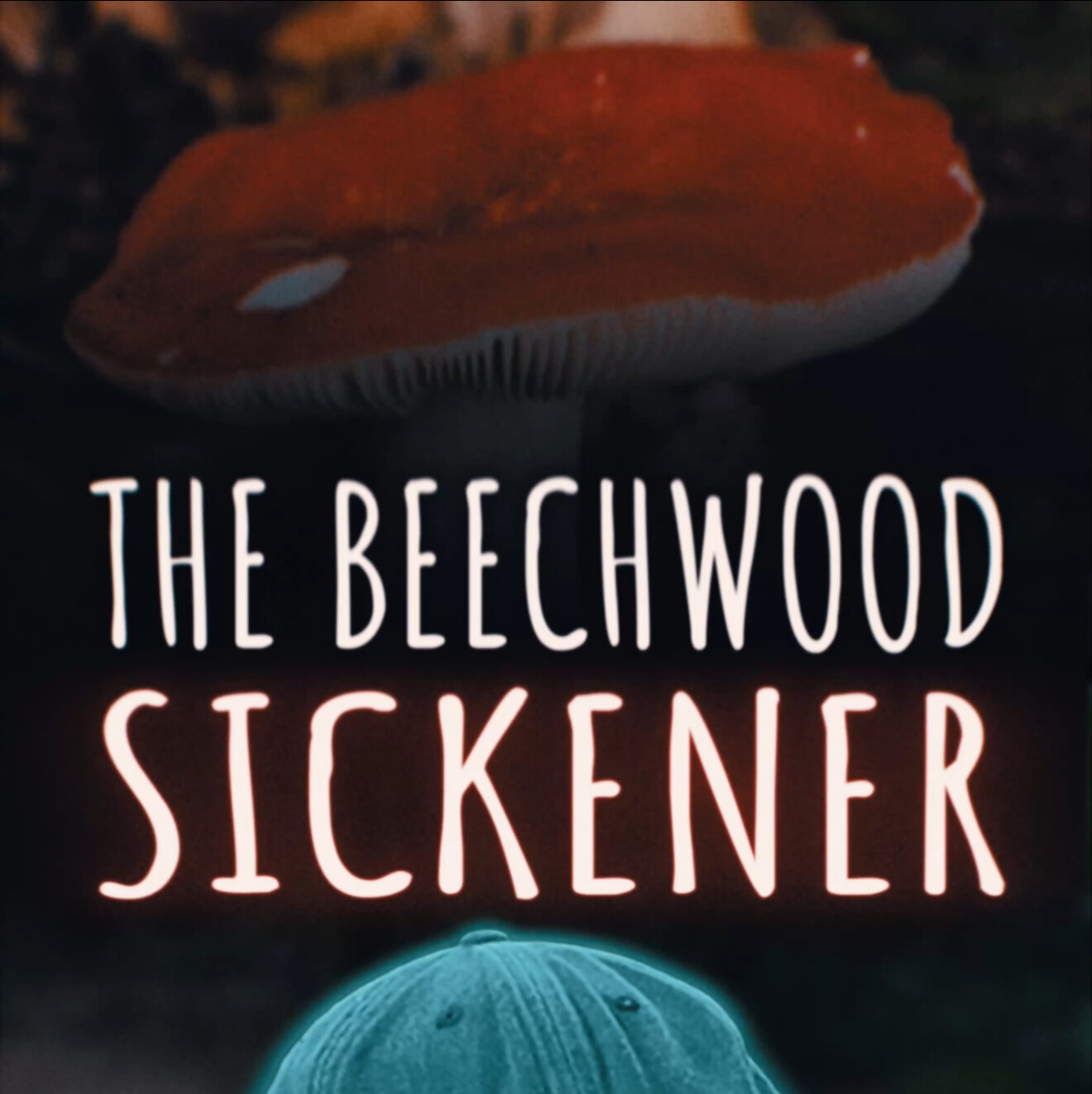
There’s a unique test called the “nibble spit test” that you can do only once you’re certain you have a Russula. Quite literally be sure of the family and take a nibble and you’ll find there’s as hot spicy heat on some that shouldn’t be eaten – spit it out now regardless as we must cook wild mushrooms. For this video, I demonstrated the hot spiciness of the Beechwood sickener (Russula nobilis), which is unsurprising is not edible (causes vomiting). Many Russulas have a heat to them when doing the test, some of which you can eat. However it is useful to know this for a family of so many and you get some real treats. I’ve seen this practice used on my travels in Eastern Europe and also salting and preserving them like preserved lemon.