
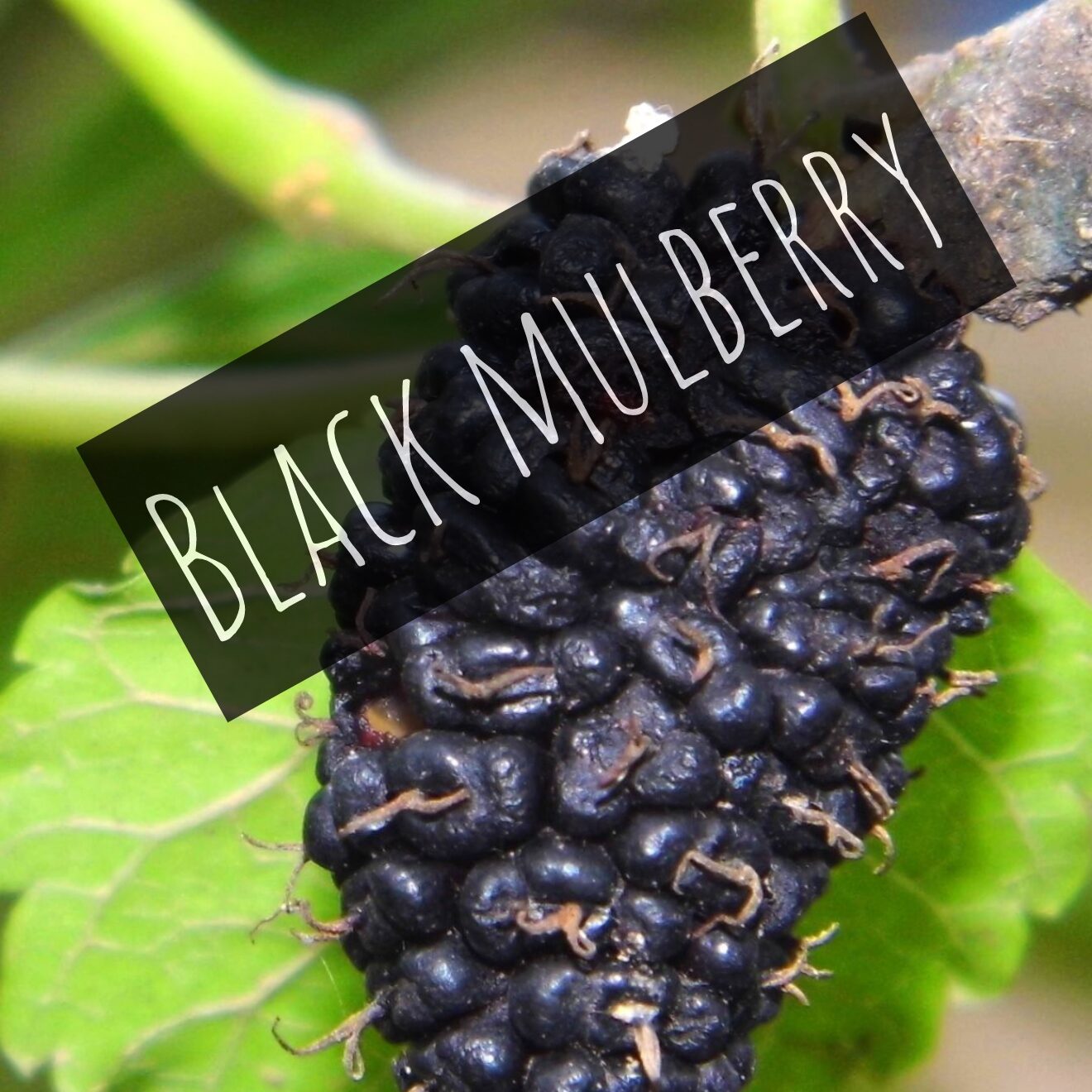

”You’ll find plenty of black mulberry trees around given their use as a fruit by the Romans and also their importance in the silk industry (attempted by James I). Here in this video we have the black mulberry native countries Iran, Turkey & Syria (Persia).
GeorgeFlavour Fred
The leaves being the preferred food for silk worms (so silk can be made) along with a great source of fruit some 2000 years ago you’ll find a lot of history about these trees. The white mulberry (Morus alba) underpinned the Chinese silk industry and was utilised by the French and Italians. For their silk industries. The silk worms thrived on white mulberry which didn’t grow well enough in the British climate at the time. Growing the “wrong” mulberry is often cited as to why the industry didn’t work along inferior silk quality from the silkworms that consumed the black mulberry leaves.
If you want to find black mulberries planted in monasteries, probably for the shade and fruit, often in infirmary gardens. Funny that as when I pick this fruit it often feels like Ive performed surgery or a murder with the stains from the fruit. Be aware that across the UK there are many names
In and around the Elizabethan era shade was prized and having exotic fruits on your table to demonstrate wealth and essentially show off to your wealth. This is common with many plants/fruits & animals as well such as bears (for bear baiting) and ostrich for their feathers and others for zoos.
Not really something to be proud of and over time as raw silk was imported thus the need for mulberries diminished. It is a delicious underutilised fruit falling on the floor all around us.